Turn One Book Idea Into a Complete KDP Manuscript With AI.
Go from a simple topic or keyword to a structured book project, chapter-by-chapter manuscript, and organized publishing materials using a guided AI workflow built to simplify the book creation process.




Explore Complete Books Built With the AI Workflow
Inspect finished, multi-chapter publications produced with the HistoryForge AI workflow. Flip through front covers, sample chapters, formatted notes, and collector back covers with our interactive 3D tablet reader.
The Fall of the Roman Empire: Twilight of the Western Caesars
A forensic examination of the collapse of the Western Roman Empire (405–476 AD), tracking the Gothic migrations, the Rhine freeze of 406 AD, Alaric’s sack of Rome in 410 AD, and the terminal crisis of imperial governance.
* Includes both front and back collector covers. Complete release free of personal author attribution.
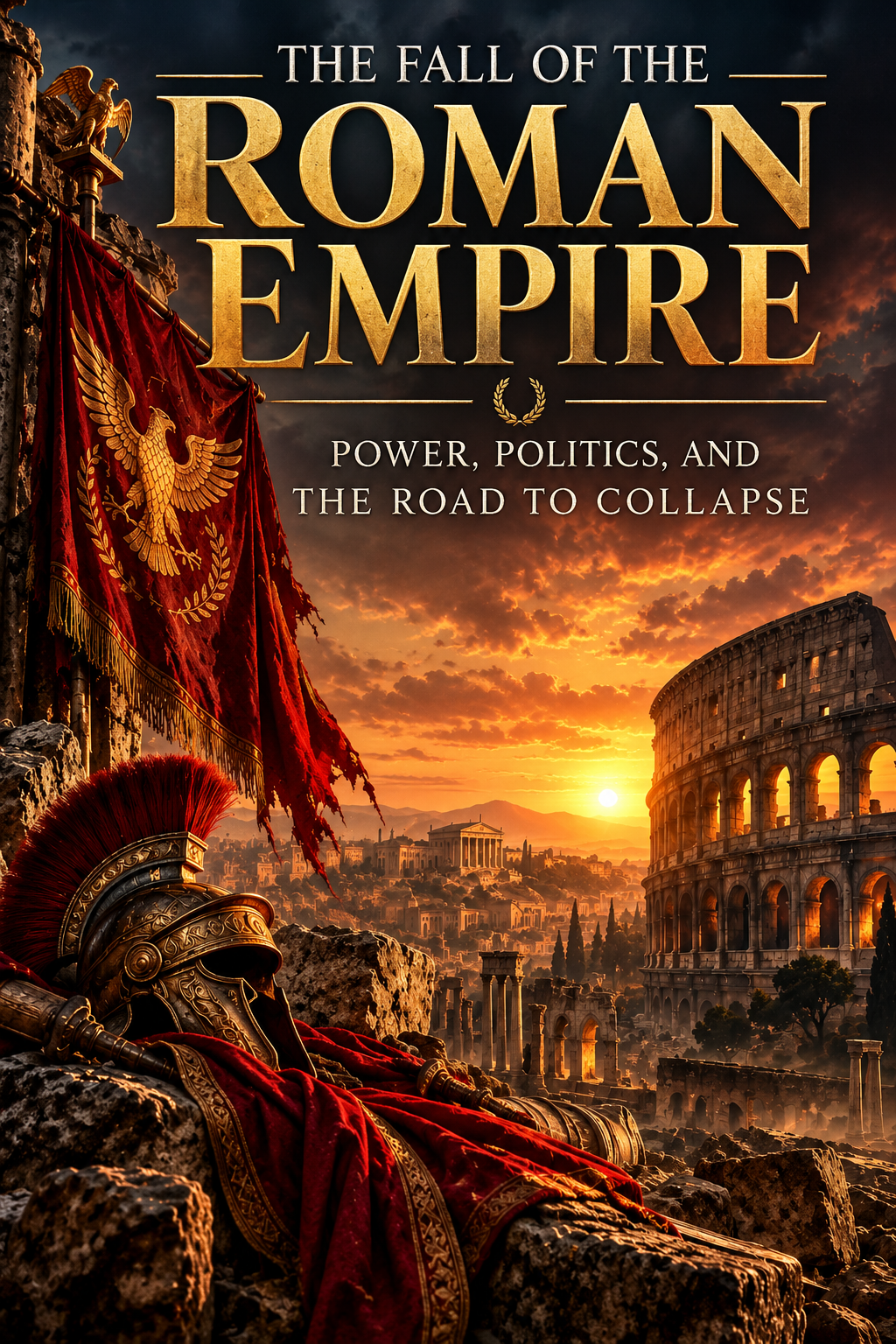
Table of Contents
Master Chapter Architecture
- Introduction: The Shadow on the Palatine
- Chapter 01: The Frozen Rhine (December 406 AD)
- Chapter 02: The Execution of the Defender (408 AD)
- Chapter 03: The Gates of Salaria (August 410 AD)
- Chapter 04: The Loss of Africa (429–439 AD)
- Chapter 05: The Last of the Romans (433–450 AD)
- Chapter 06: The Apocalypse at Châlons (451 AD)
- Chapter 07: The Vandal Scourge & Final Collapse
Excerpt: Chapter 01
The Frozen Rhine (406 AD)
On the final night of December in the year 406 AD, an arctic cold front settled across the borderlands of Germania and northern Gaul. The waters of the lower Rhine—for three centuries Rome’s unbreachable aquatic rampart—froze solid from shore to shore.
Before sunrise, a confederation of Vandals, Suebi, and Alans marched across the ice. The Roman frontier garrisons, stripped of men by civil strife in Italy, were overwhelmed within hours. The imperial perimeter had ceased to exist.
Chapter Notes & Sources
Forensic Verification Ledger
1. Orosius, Historiarum Adversum Paganos VII.38: Notes the catastrophic freeze of the Rhine. Critical collation confirms winter dating.
2. Zosimus, Nova Historia V.26–31: Stilicho’s military maneuvers in Liguria. Primary Greek transcript verified against Bonn edition.
⚡ Instant Digital Download · 5-Tier Evidentiary Framework · 30-Day Money-Back Guarantee
Writing a Book Is Hard. Managing the Entire Process Can Be Even Harder.
Ideas are easy to find. Turning them into a coherent, complete manuscript takes planning, structure, consistency, and careful review.
The Blank-Page Struggle
You have a book idea, but turning it into a detailed outline and a complete manuscript feels overwhelming.
Disconnected AI Outputs
Generating separate chapters without a consistent workflow can create repetition, gaps, and inconsistent writing.
Complicated Publishing Preparation
A manuscript needs more than words. It needs editing, organization, formatting, and the right files for its intended publishing format.
A Complete Book Requires More Than a Single AI Prompt
The workflow helps coordinate planning, writing, and manuscript preparation. The quality of the final book still depends on the available AI tools, appropriate human review, and actual document-export capabilities.
An Organized Workflow vs. Disconnected Prompting
See how a structured AI workflow brings clarity, continuity, and direction to your KDP book project.
Ad-Hoc Prompting (Before)
UNSTRUCTURED- Blank-Page Hesitation: Staring at a chat box without a clear strategy for building out a full manuscript.
- Repetitive & Generic Prose: AI outputs generic summaries filled with robotic clichés, identical sentence lengths, and fluff.
- Context Collapse: The AI forgets earlier chapters, alters character details, and loses track of the overall plot or outline.
- Scattered Deliverables: Drafts end up scattered across browser chats with no clean way to compile front matter, notes, and ready-to-publish files.
The HistoryForge Workflow (After)
STRUCTURED- 1-Topic Guided Start: Provide one book idea and let the system architect your concept, outline, and core plan.
- Disciplined Prose Engine: Enforces natural cadence, active voice, and strict rules against AI clichés and repetitive phrases.
- Persistent State Tracking: Passes forward key details and continuity locks so every chapter links smoothly to the next.
- Complete Publishing Package: Delivers full chapters, front matter, back matter, and formatted files ready for KDP preparation.
⚡ Instant Digital Download · 5-Tier Evidentiary Framework · 30-Day Money-Back Guarantee
From a Single Idea to a Structured Book Project
Stop starting from a blank page. Use a guided workflow to move from topic selection to manuscript development and final document preparation.
01. START WITH AN IDEA
Choose your topic, niche, or book keyword. Give your AI assistant a clear direction for the book you want to create.
Book_Bible.md — Master book concept, target audience, structural targets, and narrator tone guidelines.
02. BUILD THE BOOK
Develop the outline, chapter structure, manuscript, and supporting materials using a coordinated AI workflow.
Chapter_Outline.md & Chapters/ — Detailed scene outlines and fully drafted chapter manuscripts.
03. PREPARE FOR KDP
Organize the completed manuscript, review its quality, and prepare the necessary files for formatting and publishing.
Final_Book_State.md & Compiled_Manuscript.md — Complete front/back matter and export-ready files.
What the Workflow Helps You Organize
A cohesive 5-stage pipeline designed to take your book idea and transform it into a structured, publishable manuscript.
Book Blueprint
Establish your book concept, genre expectations, target audience, and narrative scope using Book_Bible.md.
Research & Evidence
Catalog core facts, dates, real-world source notes, and key references in Research_Bible.md.
Entity Consistency
Standardize character names, places, and key terminology in People_Places_Entities.md to prevent drift.
Chapter Structure
Plan scenes, dramatic pacing, and milestone objectives across every chapter with Chapter_Outline.md.
Publishing Closeout
Assemble front matter, back matter, chapter notes, and formatting checks using 05_Book_Closeout_And_Bibliography.md.
⚡ Instant Digital Download · 5-Tier Evidentiary Framework · 30-Day Money-Back Guarantee
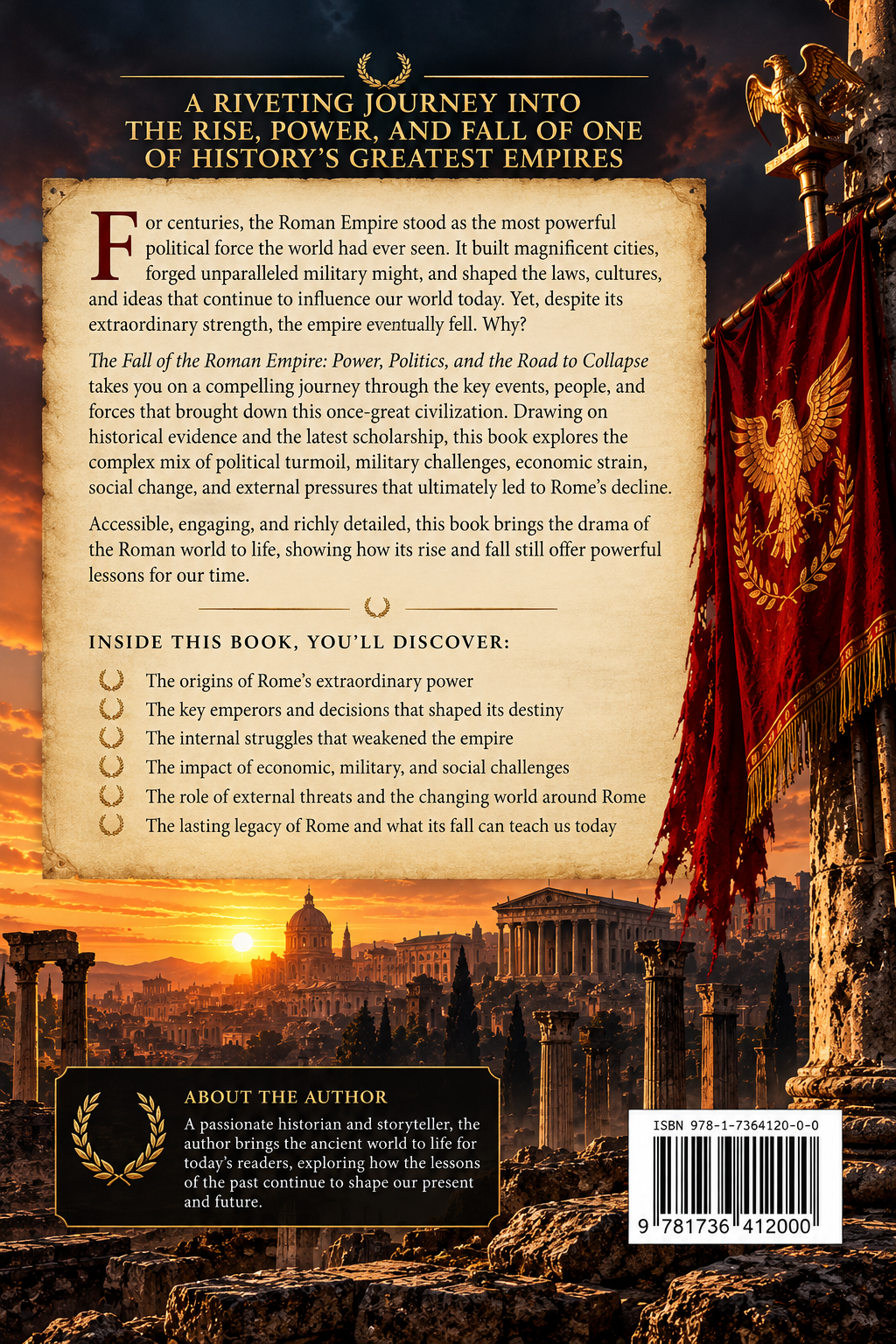
Your Book Creation Workflow, Step by Step
A structured process helps you move from an initial idea to an organized manuscript without manually inventing every step.
STAGE 01: CHOOSE YOUR TOPIC
Book Idea or Keyword
Start with your book topic, niche, or core curiosity. Establish the intended subject, audience, and direction using the workflow’s instructions.
Review Narrative Framework
Apply 01_Narrative_History_Framework.md and calibrate prose voice rules with 02_Narrative_History_Style_Pack.md.
Foundational Project Scope
A defined book concept, narrative point of view, target word count, and central book thesis ready for structuring.
STAGE 02: PLAN THE BOOK
Your Concept & Core References
Develop the book concept, outline, chapter sequence, and supporting project materials.
Execute 18-Step Setup Prompt
Run 03_Setup_Prompt_18_Steps.md sequentially in your AI assistant to generate your full project dossier.
The 4 Core Project Dossiers
Book_Bible.md, Research_Bible.md (source ledger), People_Places_Entities.md, and Chapter_Outline.md.
STAGE 03: WRITE THE MANUSCRIPT
Chapter Beat & Active Book State
Use the AI workflow to develop chapters, maintain consistency, and review the manuscript as it progresses.
Draft With Context Lock Prompt
Use 04_Context_Lock_And_Chapter_Writer.md to draft scene by scene while enforcing factual boundaries and tone.
Finished Chapter & Updated State
A polished literary Markdown draft with notes, plus an updated Book_State.md ready for the next chapter.
STAGE 04: PREPARE YOUR FILES
Completed Chapter Drafts
Assemble the completed manuscript, review formatting, and export the actual supported files for the next stage of publishing.
Run Back-Matter Engine
Execute 05_Book_Closeout_And_Bibliography.md to compile endnotes, format bibliography, and perform readiness audits.
Assembled Book Package
Complete endnotes, verified bibliography lists, and publishing-ready front/back matter in clean Markdown and PDF (where supported).
See the Structure Behind Your Next Book
Explore examples of how a coordinated AI workflow can organize book planning, chapter development, and manuscript preparation.
⚡ Instant Digital Download · 5-Tier Evidentiary Framework · 30-Day Money-Back Guarantee
Everything You Need to Guide Your AI Book Creation Workflow
A coordinated set of instructions and workflow resources designed to help you plan, draft, organize, and prepare your book manuscript.
Narrative History Framework
Defines the storytelling architecture: consequence engine, the Story Atom, 3 calibration dials (Scale, Pace, Narrator Presence), and 5 evidentiary tiers.
Narrative History Style Pack
Enforces strict prose discipline: complete em-dash ban in modern narrative prose, prohibition of 4 AI narrator personas, and banned cliché registries.
18-Step Setup Prompt
Guides your AI assistant through 18 sequential architectural decisions to generate your complete 5-document project blueprint.
Context Lock & Chapter Writer
Governs chapter-by-chapter drafting with pre-chapter Context Lock cards, mandatory approval gates, and persistent Book State continuity tracking.
Book Closeout & Bibliography
Compiles front matter, endnotes, primary/secondary bibliographies, and executes the 10-point Publication-Ready Candidate audit.
Customer Quickstart Guide & Master Orchestrator
Clear, non-technical customer manual plus the master orchestrator prompt that allows you to start the entire system with one question.
Verified Package Inventory
You receive the complete, verified downloadable workflow package containing all six core Markdown files plus the START_HERE.md master orchestrator. Portable, universal, zero subscriptions.
Why Use a Structured Workflow?
Standard AI assistants default to generic summaries and easily lose chapter continuity. Here is how HistoryForge AI brings book-building discipline to your writing workflow.
| Book Creation Task | Unstructured AI Prompting | HistoryForge AI Guided Workflow |
|---|---|---|
| Long-Form Continuity | ✕ Models naturally lose context across long chats, frequently forgetting earlier chapter events, character positions, and timeline facts. | ✓ Initial Book State & Continuity Tracker passes forward key variables and character conditions into each chapter session. |
| Narrative Style & Cadence | ✕ Generative AI naturally defaults to bland encyclopedic summaries, contemporary clichés, and repetitive phrasing. | ✓ Narrative History Style Pack provides explicit editorial constraints on sentence rhythm, sensory detail, and zero em-dashes. |
| Evidence & Factual Grounding | ✕ Language models can generate plausible-sounding but fictitious sources, non-existent books, and fabricated quotes. | ✓ 5-Tier Evidentiary Framework structures sources into distinct verified tiers and logs discrepancies explicitly. |
| Character & Entity Consistency | ✕ Names, titles, and historical place names often drift or change spellings unpredictably across chapters. | ✓ People, Places & Entities Register maintains canonical naming rules so historical figures and settings are represented consistently. |
| Publishing Closeout & Prep | ✕ Compiling front and back matter at the end often leads to missing notes, mismatched references, and disorganized files. | ✓ Book Closeout Engine guides the compilation of chapter endnotes, bibliographies, and conducts the 10-point readiness pass. |
Compatible With Any Modern AI Assistant
Because HistoryForge AI is pure, portable Markdown, it operates smoothly across all major AI interfaces and desktop editors.
Anthropic Claude
Exceptional for natural literary cadence, sophisticated pacing, historical nuance, and rich character interiority (Claude 3.5 Sonnet / Opus).
OpenAI ChatGPT
Ideal for rapid 18-step setup execution, generating complex entity tables, and cross-referencing timeline dates (GPT-4o / Canvas).
Google Gemini
Outstanding for massive context analysis—feed full primary source PDFs, letters, and War Department records directly into Gemini 1.5 Pro.
Obsidian & VS Code
Store your Book Bibles and chapter drafts locally in plain text Markdown. Zero vendor lock-in, zero lost manuscripts, complete privacy.
⚡ Instant Digital Download · 5-Tier Evidentiary Framework · 30-Day Money-Back Guarantee
Built for Aspiring Authors and Independent Publishers
This workflow was designed for creators and publishers who want to move from an initial book idea to an organized, publication-ready manuscript.
✓ A Good Fit For
-
✓
First-Time Authors: Writers who need a structured, step-by-step starting point to turn an idea into an actual book.
-
✓
Self-Publishers: Independent publishers looking to organize their book creation process with speed and consistency.
-
✓
Nonfiction Content Creators: Creators developing nonfiction or historical book projects who value depth and structure.
-
✓
Entrepreneurs & Subject Experts: Professionals building an authoritative book around their expertise or industry knowledge.
-
✓
Repeatable AI Practitioners: Authors who want a repeatable, disciplined AI-assisted writing workflow that eliminates fluff.
! Important to Know
-
!
Compatible AI Assistant Required: The workflow consists of structured prompt files and Markdown resources. You supply your own AI assistant (Claude, ChatGPT, Gemini).
-
!
Human Review & Editing: AI-generated content needs appropriate review, editing, and voice calibration before publication.
-
!
Factual Verification: Research-heavy and historical projects require reliable source checks and verification of specific claims.
-
!
Format & Export: Final document formatting and PDF export depend on the capabilities of your AI environment and local tools.
-
!
Amazon KDP Policy: Publishing eligibility and acceptance are determined by Amazon KDP’s current terms and content guidelines, not by this product.
Designed to Simplify Book Creation — Not to Replace Quality Control
The workflow helps structure AI-assisted book development. A strong final manuscript still requires appropriate review, accurate content, original value, and suitable formatting.
AI and Tool Availability
Generation, file storage, and PDF export depend on the capabilities of the AI environment and document tools being used.
Content Quality and Originality
Review the final manuscript for accuracy, repetition, originality, rights issues, and reader value before publishing.
KDP Requirements
Check current Amazon KDP policies, manuscript specifications, metadata rules, and applicable AI-content disclosure requirements before submission.
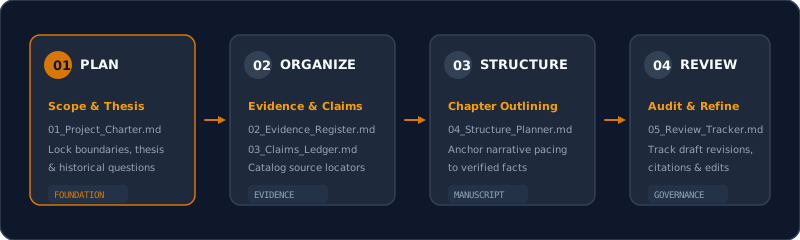
How to Use the Toolkit After Purchase
Getting started is simple. Within minutes of checkout, you can have your book’s foundation organized and ready for research drafting.
Instant Download
Access the secure zip archive from your purchase receipt containing all six clean Markdown (.md) templates.
Review Quickstart
Follow the 60-minute setup roadmap in 06_Research_Toolkit_Quickstart.md to choose your editor and prompt setup.
Define Scope
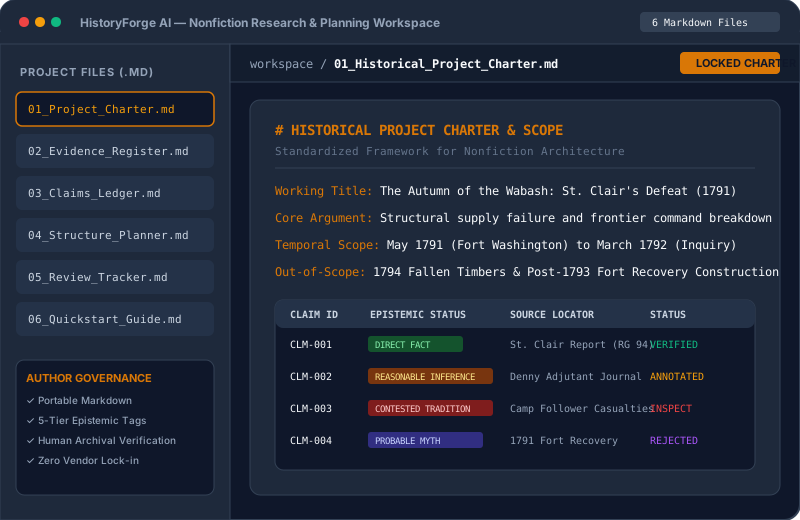
Fill out 01_Historical_Project_Charter.md to establish non-negotiable narrative boundaries and core thesis.
Log Research
Catalog your primary documents and classify truth confidence using the Source Register and Claims Ledger.
Draft & Audit
Plan chapters against verified facts and use the Review Tracker to audit citations and resolve editorial questions.
⚡ Instant Digital Download · 5-Tier Evidentiary Framework · 30-Day Money-Back Guarantee
Everything You Need to Start Building Your Next Book
Get the coordinated workflow resources designed to help you turn a book idea into a structured manuscript and prepare it for publishing.
HistoryForge AI
The complete AI-assisted KDP book creation workflow package
- START_HERE.md (Master Orchestrator Prompt)
- Guided AI-Assisted Book Planning (18-Step Setup Architecture)
- Structured Chapter Development (Context Lock Drafting Engine)
- Manuscript Organization & Continuity (Book State Tracking Ledger)
- Book Completion & Supporting Materials (Front/Back Matter Engine)
- Manuscript Preparation for PDF Export (Where supported by environment)
- Customer Quickstart Instructions (Claude, ChatGPT, Local Workspaces)
Cover & Blurb Copywriting Engine
Complete your publishing toolkit with the KDP Cover Prompt Engine, the Bestseller Blurb Copywriting Formula, and the Print Spine & Bleed Calculator. Designed specifically to package narrative history manuscripts into high-converting book listings.
* Simply check the optional add-on box directly on the secure WarriorPlus checkout form.
Refund Policy: 1-Day Full Guarantee
We want you to inspect the HistoryForge AI Markdown resources with complete peace of mind. You have a 1-Day (24-Hour) Full Return Policy from the moment of purchase.
If you review the files and feel the framework does not meet your research and book-planning needs, simply contact our support desk or request a refund through your WarriorPlus purchase receipt within 24 hours for a prompt, 100% refund.
Direct Product Support
If you have questions about using the Markdown files, prompt formatting, or accessing your files after purchase, reach out directly to our support desk:
Support requests are answered promptly on business days.
Frequently Asked Questions
Straightforward answers regarding file formats, AI assistant requirements, historical accuracy, and product delivery.
Your Next Book Starts With One Idea.
Use a structured AI-assisted workflow to turn your topic into a planned manuscript and move toward your publishing goals with greater clarity.